Home Window Tinting Near Me: Expert Guide
By
Charlotte
Published
2026-01-10 12:34:29
Time
4 min read
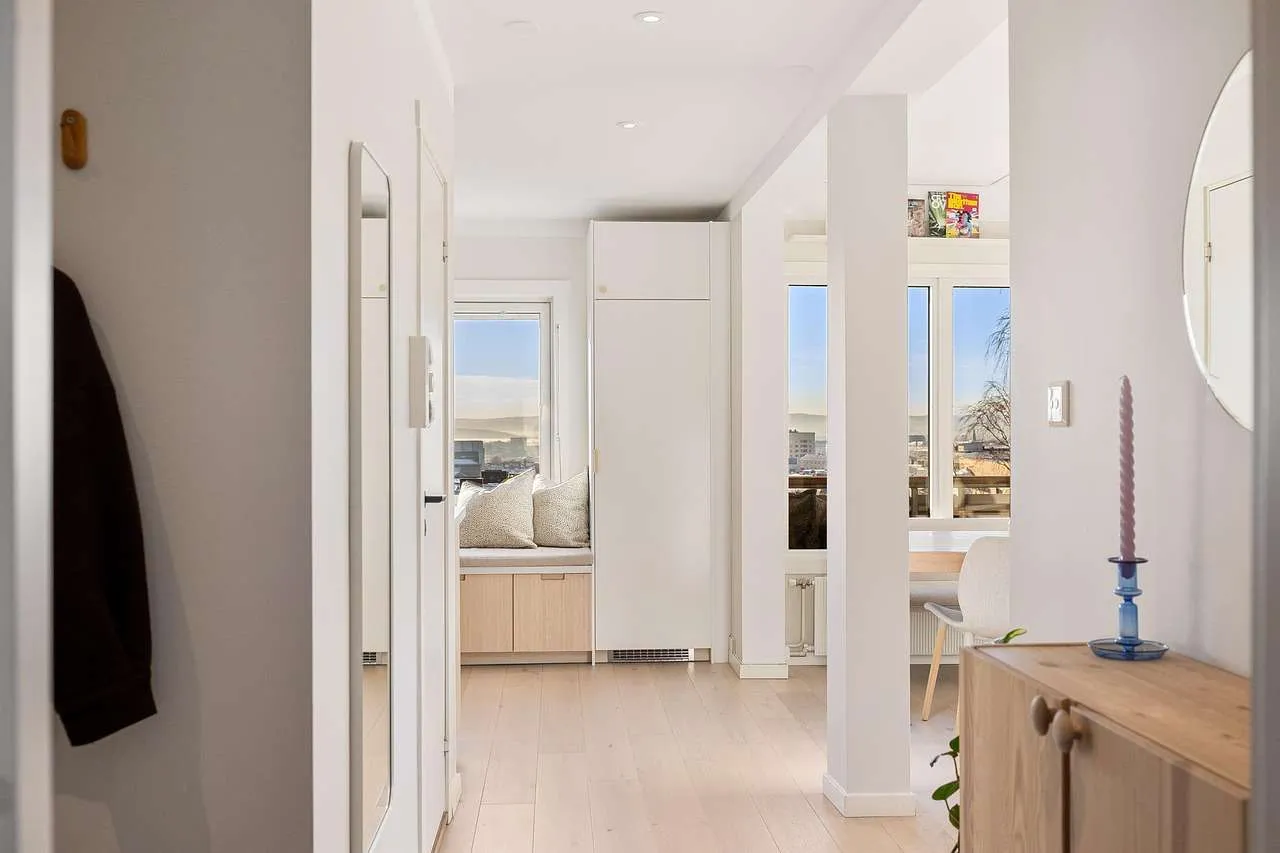
Finding reliable home window tinting near me is about more than price. It is about expertise, proper materials, and a service that respects your home and time. This guide helps homeowners understand why professional tinting matters, how to select a local provider, what to expect during installation, and how to evaluate options for long term value.
Understanding the value of home window tinting
Window tinting for residences can reduce heat gain, lower energy bills, and protect interiors from sun damage. A tinted film blocks a portion of infrared heat while preserving natural light, which means you stay comfortable without sacrificing visibility. For many households, the right film also improves glare control for screens, preserves furnishings from fading, and adds a layer of privacy without sacrificing curb appeal.
EEAT in action: expertise you can trust
Professional tinting requires trained installers who understand film compatibility with various glass types, frame conditioning, and installation conditions. Look for technicians with factory training, certifications from reputable film brands, and clear warranties. Transparent preinstallation assessments, measured energy impact, and documented aftercare reflect authoritative, trustworthy service.
What to know before you hire a local window tinting service
When searching for home window tinting near me, consider these factors to ensure you get a high-quality, durable result:
- Licensing and insurance: Verify that the company holds appropriate licenses and carries liability coverage.
- Film options and warranties: Ask about ceramic, carbon, dyed, and metalized films, along with manufacturer warranties and film performance data.
- Energy and UV claims: Request independent data on UV rejection (usually above 99%) and heat rejection ratings for your climate.
- Clear pricing: Seek itemized quotes that include film type, surface preparation, labor, and curing time.
- Local references: Check recent customer reviews in your area and request before/after photos or case studies.
Types of window tint films and their uses
Residential films vary in composition and performance. Here is a quick overview to help you compare options:
- Dyed film: Offers cost-effective glare reduction and surface appearance but moderate heat rejection.
- Ceramic film: High heat rejection, excellent UV protection, and minimal interference with electronics.
- Carbon film: Good heat rejection with a neutral appearance and strong durability.
- Metalized film: Strong heat rejection and structural strength but can interfere with certain signals; less common in some homes.
How to choose a home tinting provider near you
Local expertise matters because climate, building codes, and sun exposure vary by region. When evaluating a vendor near you, consider:
- Local climate knowledge: A pro who understands your sun angles and seasonal heat gain will tailor the tint for comfort and savings.
- Warranty coverage: A robust warranty for film integrity and labor helps protect your investment over time.
- Installation quality: Proper surface prep, clean seams, and heat-curing steps influence long-term performance.
- Transparent communication: A dependable contractor explains film options, expected timelines, and post-install care.
What to expect during installation
Professional installation typically follows a straightforward process. A technician inspects glass for defects, cleans panels, and ensures proper alignment before applying the film. After application, the film is trimmed and allowed to cure. You may notice a temporary odor or slight haze during curing, which clears within a few days. Proper ventilation and aftercare steps are part of the service, and a good installer will provide care guidelines to maximize film life.
Cost considerations and budgeting
Pricing for home window tinting is influenced by film type, window size, number of panes, architectural complexity, and local labor rates. Typical ranges per square foot can span from modest to premium options. While ceramic and carbon films cost more upfront, they often yield greater energy savings and UV protection, potentially offsetting costs over time through reduced cooling loads and longer-lasting furnishings.
Comparison of tint options
| Option | Light transmission (VLT) | Heat rejection | Privacy | Best uses |
|---|---|---|---|---|
| Dyed window tint | 30-60 | Moderate | Low | Budget projects, glare reduction |
| Ceramic window tint | 40-70 | High | Medium | Energy efficiency, UV protection |
| Carbon window tint | 30-65 | High | Medium-High | Balanced performance and aesthetics |
Maintaining the tint and ensuring longevity
Proper cleaning with non-ammonia cleaners and soft cloths helps protect the film surface. Avoid abrasive scrubbing on the edges, which can cause peeling over time. A qualified installer will provide guidance on cleaning frequency and methods and schedule follow-up inspections if required by warranty terms.
Ethics, trust, and long-term value
Trustworthy providers publish clear terms, deliver on promises, and offer transparent post-install support. The best teams document the installed film type, guarantee the appearance and clarity, and provide a written maintenance plan. This level of transparency demonstrates expertise, authority, and trust—key components of EEAT for home improvement services.
Conclusion: When you search for home window tinting near me, prioritize licensed professionals, reliable film options, and clear warranties. Compare quotes, review local references, and choose a service that combines technical proficiency with excellent customer care to achieve long-term comfort and energy savings. Summary: Choosing the right home window tinting near me provider ensures long term comfort, energy savings, and safe film installation. Prioritize licensed installers, verify film quality, and compare warranties for a durable result.