Home Window Tinting Guide: Comfort and Savings
By
Scarlett
Published
2026-01-10 12:34:09
Time
5 min read
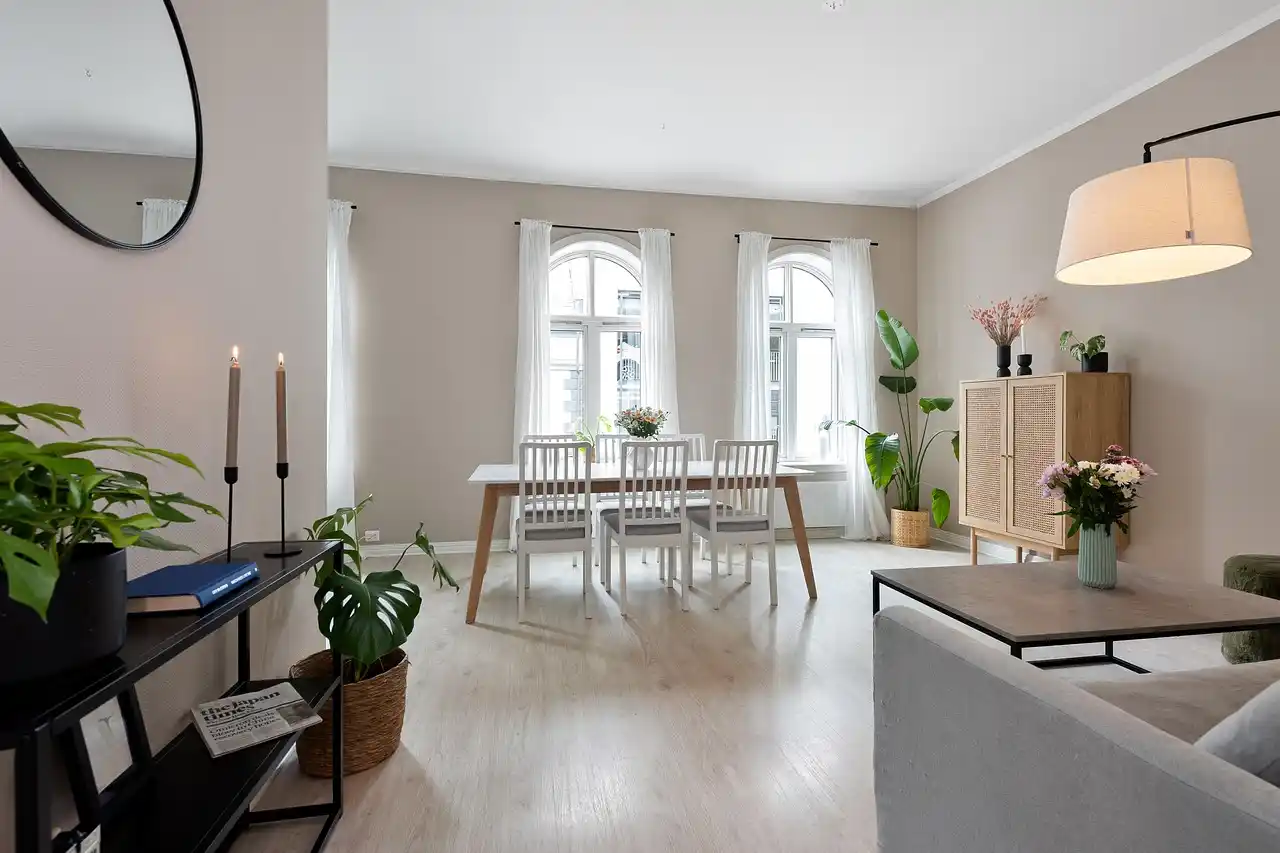
If you are looking to improve comfort, reduce energy bills, and protect furnishings, home window tinting is a practical upgrade. As a seasoned specialist with a decade of experience in architectural glass and shading solutions, I will explain how residential films work, what options exist, and how to choose a solution that fits your climate, budget, and home style. This guide addresses common questions and outlines steps to ensure a long lasting, professionally installed tint that respects local rules and safety standards.
Why tint your home windows
Window tinting blocks solar heat, reduces glare, protects interiors from UV damage, and adds privacy. Modern films can reject a large share of infrared heat, lowering cooling load and extending the life of HVAC equipment. UV blocking helps preserve fabrics and wood. Some films also provide shatter resistance as a safety feature. When you plan for a professional install you gain a precise fit for large panes and irregular shapes, and you avoid common issues such as bubbles or edge lifting.
Window film options for homes
Dyed film
Dyed films are the most affordable option. They provide basic glare reduction and some heat control, but their performance can fade over time and they offer moderate UV protection. The look tends to darken evenly, which helps with privacy without looking heavy. Durability is lower than more advanced films.
Metalized film
Metalized films add metallic layers to improve heat rejection and strength. They perform well in hot climates but can interfere with electronics and produce a noticeable color shift. Some homeowners also report a slight rainbow effect on sunny days. These films can be a good value if you need high heat rejection and have no sensitive devices nearby.
Ceramic film
Ceramic films offer high heat rejection and the best clarity. They are non conductive, so they do not interfere with electronics or mobile signals. These films deliver strong UV protection and excellent glare control without a heavy tint. The main drawback is price, which is higher than dyed or metalized options.
Carbon film
Carbon films provide deeper color and good heat rejection at a moderate price. They offer solid UV protection and minimal interference with electronics. Carbon films balance performance and cost, making them a popular mid range choice for homes.
How to choose the right film
Start with climate and sun exposure in your area. Consider the orientation of each window and how much direct sun it receives. Assess privacy needs for ground floor rooms and any street view areas. Check compatibility with existing glass and any low emissivity coatings. Review warranty terms and the installer credentials. Finally compare total installed cost and projected energy savings over time to estimate value.
Professional versus DIY installation
Most home tint projects benefit from professional installation. Pros deliver a precise fit, bubble free adhesion, and a warranty. They also handle complex tasks on large panes or multi pane installations. DIY projects may save upfront cost but carry the risk of air pockets, edge lifting, and damage to glass. A professional installation is a better long term investment for most homes.
Costs and return on investment
Residential window film pricing varies by film type and pane size. A typical range is a few dollars per square foot for basic dyed films up to double digit per square foot for ceramic options. In most climates a window tint can lower cooling costs by a meaningful margin, often paying back the investment in several years through energy savings and furniture protection. Remember that cladding large windows or installing on skylights may increase the price; always ask for an on site measurement and a written estimate with warranty details.
Maintenance tips
Clean the film with a soft microfiber cloth and a mild non ammonia cleaner after the first couple of weeks. Avoid abrasive materials that can scratch the film during cleaning. Do not use harsh chemicals or solvent based products on tinted panes unless the film manufacturer confirms compatibility. Regular cleaning helps maintain clarity and appearance while preserving the warranty.
Local regulations and safety considerations
Check local rules and HOA guidelines before tinting front windows or decorative glass. Some jurisdictions limit dark tint on visibility panes for safety reasons. If you share a driveway or street access with neighbors, consider the impact on views and privacy. A qualified installer will verify compliance and provide certified documentation if required.
Window film comparison
| Film Type | Heat Rejection | UV Protection | Glare Reduction | Privacy | Pros | Cons | Typical Cost |
|---|---|---|---|---|---|---|---|
| Dyed | Medium | Fair | Low to Medium | Low to Medium | Low cost and simple to install | Fades over time and lower durability | 2 to 6 per sq ft |
| Metalized | High | Moderate | High | Low | Excellent heat rejection, strong film | Potential electronics interference and color shifts | 3 to 8 per sq ft |
| Ceramic | Very high | Excellent | Excellent | Medium | Best overall performance and clarity | Higher upfront cost | 6 to 12 per sq ft |
| Carbon | High | Very good | High | Medium to high | Great value with strong heat rejection | Can be pricier than dyed options | 4 to 9 per sq ft |
Conclusion
Conclusion, home window tinting offers energy savings, UV protection, and improved comfort when you select the right film and hire a qualified installer. Consider climate, budget, and regulations to achieve the best result.