Small Bathroom Ideas: Smart, Space-Saving Design
By
Ryan
Published
2026-01-10 12:28:29
Time
4 min read
Smart Layouts for Small Bathrooms
Designing a small bathroom begins with layout planning. The objective is to maximize usable space without sacrificing comfort or visual calm. By combining compact fixtures, vertical storage, and light reflecting surfaces, you can create a bathroom that feels larger than its footprint. This guide on small bathroom ideas covers layouts, storage solutions, finishes, lighting, and cost considerations to help you make informed decisions that stand up to EEAT standards.
Walk-In Shower with Clear Glass
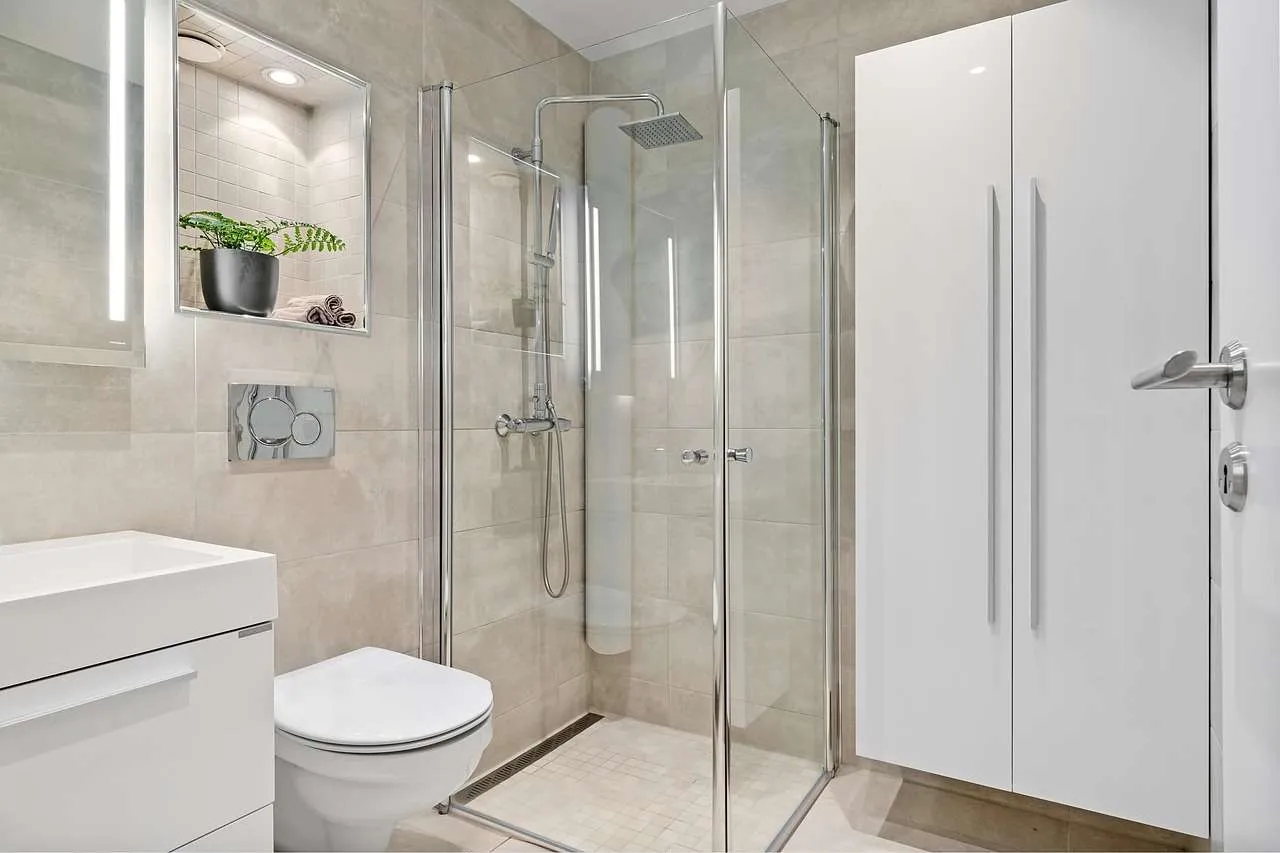
A walk-in shower with clear glass opens sight lines and lets light travel across the room, making the space appear bigger. If possible, opt for a shower enclosure at least 80 by 80 cm, or a narrow 36 by 60 inch stall with a hinged or sliding door. Avoid heavy partitions that visually trap the space.
Compact Sink and Vanity
Choose a wall-mounted or corner vanity to free floor space for movement. A shallow vanity with integrated storage plus a mirrored medicine cabinet above keeps daily essentials within reach while maintaining a clean look.
Pocket Doors and Sliding Panels
Replacing a swing door with a pocket door or sliding panel eliminates the door swing that encroaches on usable space. This small change can unlock room for a larger shower, a wider vanity, or extra towel storage.
Storage Solutions That Maximize Space
In small bathrooms, every inch counts. Use vertical space, recessed niches, and mirrored cabinets to keep surfaces clear and easy to wipe. Consider a tall, slim cabinet in a corner, or an over-the-toilet unit with doors or open shelving to store towels, cleaners, and toiletries.
Vertical Shelving and Recessed Niches
Wall-mounted open shelves or recessed niches in the shower keep frequently used items accessible while eliminating bulky base cabinets. Choose moisture-resistant materials and install lighting inside niches for added practicality.
Over-The-Toilet Storage
Utilize the vertical space above the toilet with shelving or a built-in cabinet. This creates a dedicated storage zone for spare toilet paper, first aid, and grooming products without infringing on floor area.
Materials, Colors, and Lighting
Color choices influence perceived space. Light neutral tones, soft whites, and cool grays reflect daylight and create a sense of airiness. Combine these with glossy tiles or large-format porcelain to minimize grout lines and keep surfaces easy to clean.
Light Colors and Reflective Surfaces
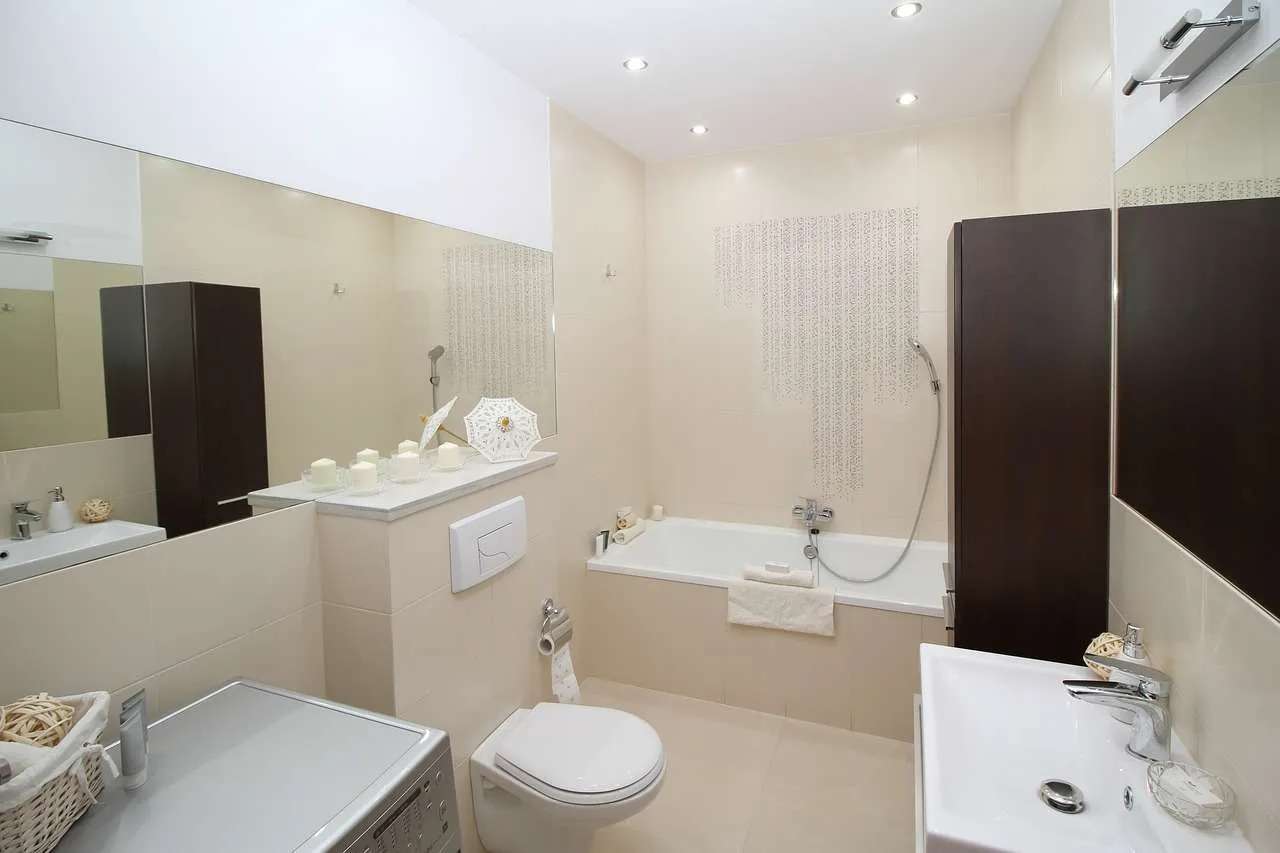
Glossy wall tiles, a large mirror, and a polished countertop amplify light and give the impression of a bigger room. If possible, install a full-width mirror above the vanity or a mirrored cabinet that serves dual purposes.
Lighting Layers
Use three layers of light: ambient general lighting, task lighting around the mirror, and soft accent lights for atmosphere. LED strips in niches or under floating vanities provide subtle illumination without glare.
Flooring and Grips
Choose durable, non-slip flooring with a light tone and minimal texture. Large-format tiles reduce grout lines and can visually expand the floor area. Always ensure compliance with safety standards for wet zones.
Fixtures and Fittings for Small Bathrooms
Space-efficient options include slimline toilets, floating vanities, and recessed storage. A shower with built-in niches and a frameless glass enclosure helps maintain a buoyant, open feel.
Slimline and Floating Fixtures
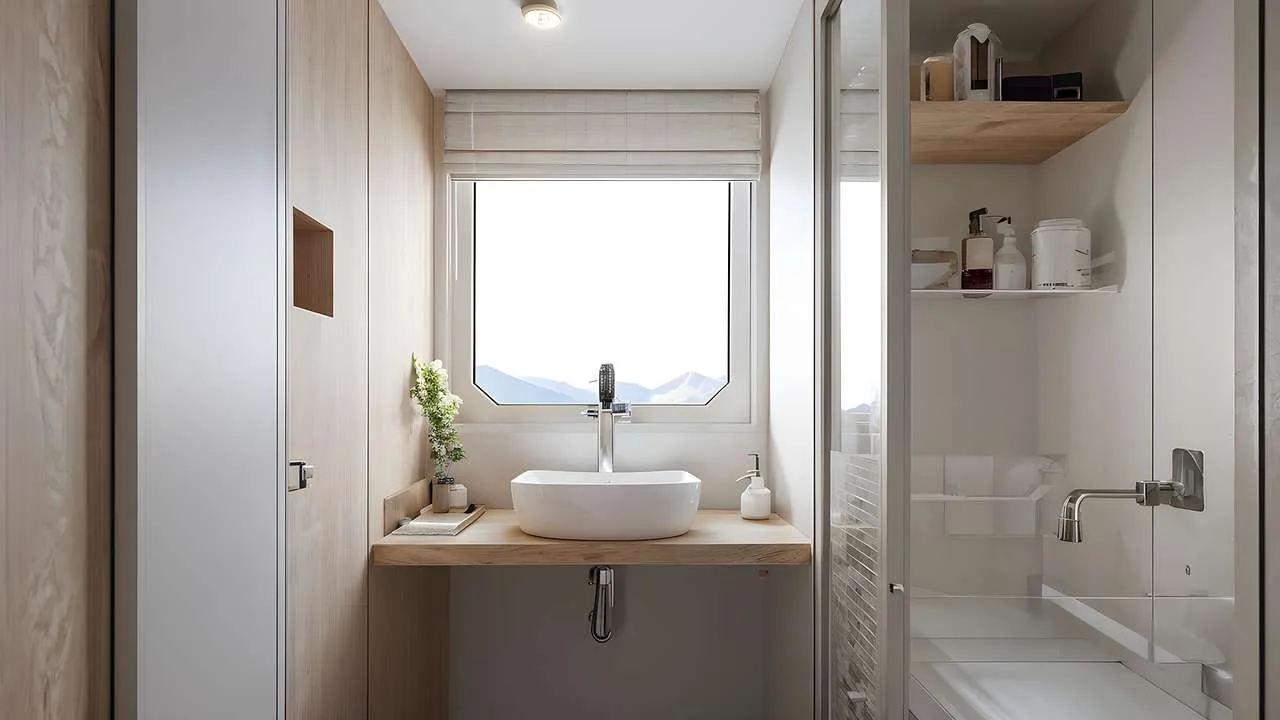
A compact toilet with a slender tank and a wall-mounted vanity create an uncluttered look and make cleaning easier. Choose a vessel sink or a shallow basin if you prefer a countertop finish that stays tidy with minimal maintenance.
Shower Niches and Recessed Storage
Shower niches keep shampoo bottles and soaps off the bench while preserving a clean aesthetic. Recessed shelves in the vanity or shower curb reduce clutter and maintain a streamlined profile.
Budget and Guidance
Smart planning helps you balance cost and outcome. Prioritize fixes that deliver the biggest impact on daily use, such as a clear glass shower, a floating vanity, and recessed storage. Compare materials by durability and maintenance needs to avoid future expense. If plumbing or electrical updates are required, hire licensed professionals to ensure safety and code compliance. An experienced designer or contractor can propose efficient layouts and installation sequences that minimize disruption and waste.
Layout Comparison
| Layout Type | Best For | Pros | Cons | Estimated Cost |
|---|---|---|---|---|
| Walk-in shower with glass | Small to mid sized baths | Feels open, light friendly | Higher upfront cost | Moderate to high |
| Compact vanity with wall mount | Limited floor space | Maximizes visible area, affordable | Limited storage | Low to moderate |
| Corner sink with recessed storage | Very small baths | Keeps center clear | May feel tight | Low |
| Pocket door | Narrow door spaces | No swing space used | Complex installation | Moderate |
Conclusion, applying these small bathroom ideas creates a practical, stylish space. By combining careful layout choices, smart storage, reflective finishes, and efficient fixtures, you can transform even the smallest bathrooms into comfortable, low-maintenance retreats that work daily and age well.