Bathroom Tiles: A Complete Guide
By
Olivia
Published
2026-01-10 12:30:31
Time
3 min read
As a seasoned home improvement professional and digital strategist, I know that people search for bathroom tiles not just for aesthetics but for durability, maintenance, and long-term value. This guide combines practical know-how with design insight to help you choose tiles that stand up to moisture, look great, and fit your budget.
Understanding Bathroom Tile Materials
Tile materials vary in density, water absorption, and maintenance needs. Ceramic and porcelain are the workhorses of most bathrooms; glass tiles offer reflectivity and modern style; natural stone provides warmth and character but requires more care; cement tiles deliver bold patterns with a retro-modern feel. In wet zones, selecting the right material is as important as the color or pattern.
Porcelain vs Ceramic
Porcelain tiles are dense, typically with water absorption rates under 0.5 percent, making them highly durable for showers and floors. Ceramic tiles are excellent for walls and light-use floors, and they come in a wider range of colors. The main difference is density and moisture tolerance; both can last a long time when installed correctly with proper maintenance.
Natural Stone and Glass
Natural stone tiles such as marble, travertine, or slate add luxury and unique veining. They are porous and often require sealing and routine re-sealing, plus specialized cleaners. Glass tiles can brighten a small bathroom or create a contemporary accent wall, but they can show water spots and require careful cleaning to maintain their luster.
Design and Layout Considerations
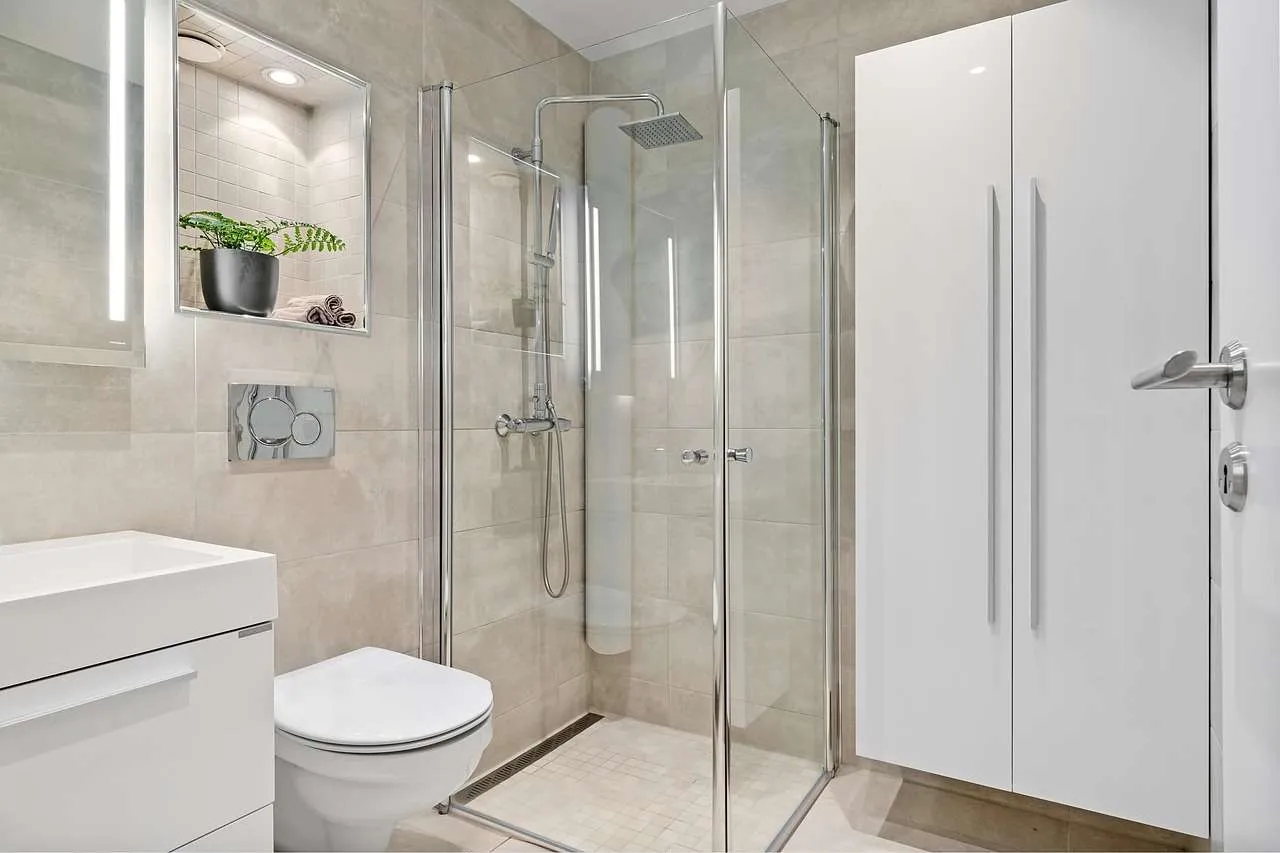
Color and texture influence how a bathroom feels. Light neutrals make small spaces look larger, while bold mosaics or patterned borders create visual interest. Consider mixing tile sizes: large format floors (24x24 or 12x24) reduce grout lines and ease maintenance, while small mosaics or 2x2 or 1x2 strips can create dynamic shower niches or backsplashes.
Patterns, Grout, and Safety
Herringbone, chevron, or basketweave patterns can transform a space, but ensure you have a professional layout plan to avoid miscuts. For wet areas, choose a matte or textured finish to improve grip. The grout color matters: matching grout minimizes lines, while a contrasting grout can highlight the tile pattern. In damp zones, epoxy grout or properly sealed cement-based grout increases longevity and stain resistance.
Maintenance and Longevity
Maintenance varies by material. Ceramic and porcelain require routine cleaning with non-acidic cleaners to avoid damage. Natural stone needs sealing around installed areas and periodic resealing every 1–3 years depending on usage. Glass tiles are durable but show soap scum if not wiped down; cement tiles should be sealed and cleaned with pH-neutral products to prevent staining. A proactive sealing and cleaning schedule extends tile life and preserves color and texture.
Cost, Installation, and ROI
Material costs range from affordable ceramic options to premium natural stone. Expect roughly $1–5 per sq ft for basic ceramic, $3–10 for porcelain, and $7–20+ for natural stone, not including installation. Professional installation is crucial in moisture-prone bathrooms; consider moisture barriers, cement backer boards, and proper waterproofing membranes to prevent leaks. While upfront costs vary, high-quality tile installations can last decades, protecting your home’s value.
Tile Comparison
| Tile Type | Pros | Cons | Maintenance | Typical Price (per sq ft) |
|---|---|---|---|---|
| Ceramic | Affordable, broad color range | Less water-resistant than porcelain | Easy to clean, stable | $1–5 |
| Porcelain | Dense, very water-resistant | Heavier, can require skilled cutting | Low maintenance | $3–10 |
| Natural Stone | Luxurious look, warmth | Porous, sealing needed | Sealing and resealing | $7–20 |
| Glass | Reflective, modern, brightens rooms | Slippery in wet zones, costly | Regular cleaning | $8–20 |
| Cement | Bold, unique patterns | Staining risk without sealing | Sealing advised | $4–12 |
Conclusion
Summary, for longevity and value: use porcelain or dense ceramic in moisture zones, plan patterns to minimize grout, ensure proper waterproofing and professional installation, and follow a maintenance routine to keep tiles looking new for years.